

11 Nov Tooth Sensitivity
Decoding Tooth Sensitivity: Causes and Cures
Have you ever felt a sudden, sharp jolt of pain in your teeth after a sip of hot coffee or a bite of ice cream? This discomfort, commonly known as tooth sensitivity, is a frequent complaint among dental patients. While it can be a fleeting annoyance for some, for others, it’s a persistent problem that impacts daily life, turning simple pleasures like eating and drinking into painful experiences.
Understanding what causes this sharp pain is the first step toward finding relief. Tooth sensitivity isn’t just a minor inconvenience; it can sometimes signal an underlying dental issue that needs attention. Ignoring it might lead to more significant problems down the line.
This guide will explain everything you need to know about tooth sensitivity. We’ll explore the common culprits behind sensitive teeth, from lifestyle habits to specific dental conditions. You’ll learn how to identify the symptoms, discover effective at-home remedies, and understand the professional treatments available to provide lasting relief. Our goal is to empower you with the knowledge to manage your sensitivity and get back to enjoying your favorite foods and drinks without fear of pain.
What Causes Tooth Sensitivity?
To understand tooth sensitivity, it’s helpful to know a little about the structure of your teeth. The visible part of your tooth is covered by a hard, protective layer called enamel. Beneath the enamel is a softer layer called dentin, which contains thousands of microscopic tubules. These tiny tubes lead directly to the tooth’s pulp, where the nerves and blood vessels are located.
When the enamel wears down or the gums recede, the dentin becomes exposed. External triggers—like hot, cold, sweet, or acidic foods and drinks—can then travel through these tubules and stimulate the nerves inside the tooth, causing that familiar sharp, sudden pain.
Several factors can lead to this exposure of dentin and trigger sensitivity:
Enamel Erosion
Enamel is the strongest substance in the human body, but it’s not indestructible. It can be worn away over time by a process called erosion.
- Acidic Foods and Drinks: Frequent consumption of acidic items like citrus fruits, sodas, wine, and certain fruit juices can gradually dissolve your tooth enamel.
- Gastroesophageal Reflux Disease (GERD): This medical condition causes stomach acid to flow back into the esophagus and mouth, especially during sleep. This highly acidic fluid can severely erode enamel.
- Bulimia: This eating disorder involves frequent vomiting, which exposes teeth to strong stomach acids, leading to significant enamel erosion and sensitivity.
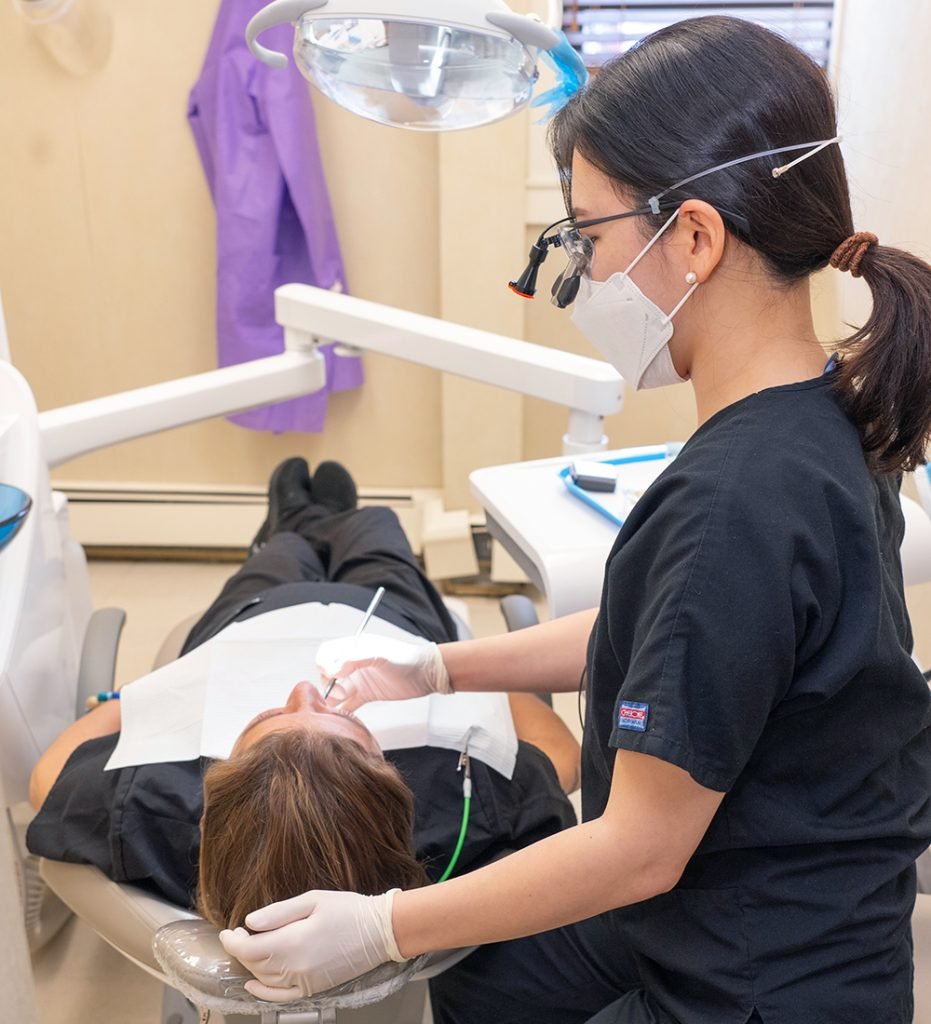
Tooth Sensitivity Treatment Service Provider
Aggressive Brushing and Gum Recession
Brushing your teeth is crucial for oral hygiene, but doing it too forcefully can do more harm than good.
- Hard-Bristled Toothbrushes: Using a toothbrush with hard bristles can wear down enamel and cause your gums to pull away from your teeth.
- Improper Brushing Technique: Scrubbing your teeth aggressively, especially in a back-and-forth motion, can damage both your enamel and gums. This leads to gum recession, exposing the root surfaces of your teeth, which are not protected by enamel and are covered by a softer tissue called cementum. When cementum wears away, the underlying dentin is exposed.
Gum Disease (Gingivitis and Periodontitis)
Inflamed and sore gums are a hallmark of gingivitis, the earliest stage of gum disease. If left untreated, it can progress to periodontitis, a more severe condition where the gums pull away from the teeth, forming pockets that harbor bacteria. This process leads to gum recession and bone loss, exposing the sensitive root areas of the teeth.
Cracked or Chipped Teeth
A crack or chip in a tooth can expose the dentin underneath. Even a microscopic crack can be large enough to allow external stimuli to reach the nerve, causing pain when you chew or expose the tooth to temperature changes.
Teeth Grinding (Bruxism)
Many people unconsciously clench or grind their teeth, especially during sleep. This constant pressure and friction can wear down the enamel over time, leaving the dentin exposed and making the teeth more susceptible to sensitivity.
Tooth Decay and Worn Fillings
Cavities are holes in the teeth caused by decay. As a cavity progresses, it can breach the enamel and reach the dentin, causing sensitivity. Similarly, old or damaged fillings can leak or break, allowing bacteria to accumulate underneath and cause decay, which leads to sensitivity.
Dental Procedures
It’s common to experience temporary tooth sensitivity after certain dental treatments.
- Teeth Whitening: The bleaching agents used in professional and at-home teeth whitening treatments can penetrate the enamel and cause temporary sensitivity.
- Fillings, Crowns, and Cleanings: Procedures like placing a filling or dental crown, or even a professional dental cleaning, can sometimes irritate the tooth nerve and lead to short-term sensitivity. This usually subsides within a few weeks.
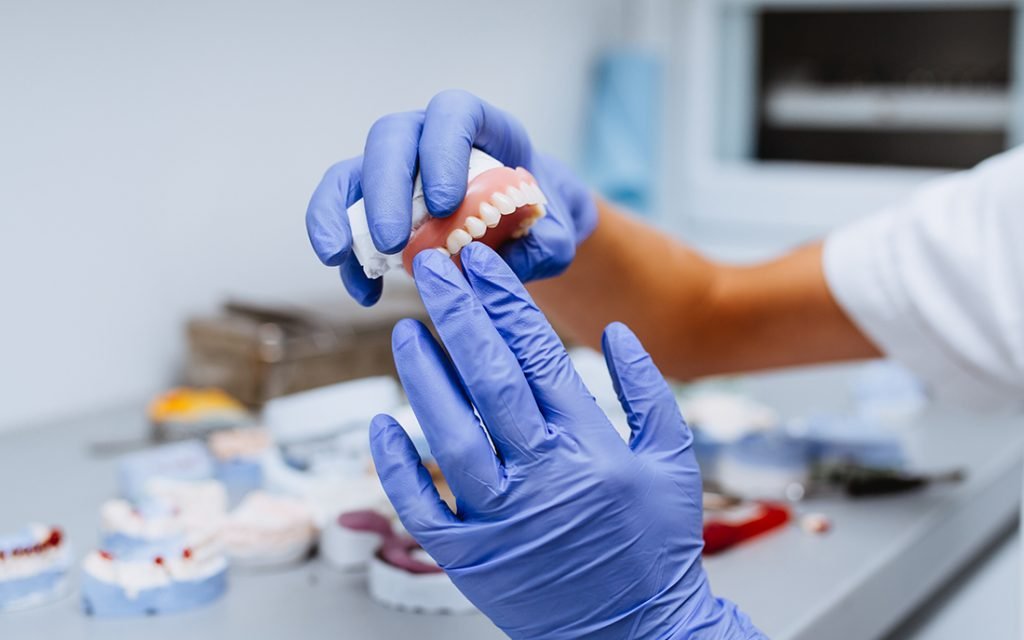
Tooth Sensitivity Treatment Service
How to Treat Tooth Sensitivity at Home
For mild or occasional tooth sensitivity, several at-home strategies can provide relief and help manage the condition.
Use a Desensitizing Toothpaste
Desensitizing toothpastes are specially formulated to help block the transmission of pain signals from the tooth surface to the nerve. These products contain compounds like potassium nitrate or stannous fluoride, which either soothe the tooth’s nerve or block the microscopic tubules in the dentin. For best results, you need to use the toothpaste consistently for several weeks.
Practice Gentle Oral Hygiene
- Switch to a Soft-Bristled Toothbrush: A soft-bristled brush is much gentler on your enamel and gums.
- Improve Your Brushing Technique: Use gentle, circular motions instead of aggressive back-and-forth scrubbing. Hold your brush at a 45-degree angle to your gums and brush for a full two minutes.
- Consider an Electric Toothbrush: Many electric toothbrushes have built-in pressure sensors that alert you if you’re brushing too hard.
Be Mindful of Your Diet
Limiting your intake of acidic foods and drinks can help prevent further enamel erosion. If you do consume something acidic, rinse your mouth with water afterward to help neutralize the acid. Wait at least 30 minutes before brushing, as your enamel is temporarily softened by acid and can be damaged by immediate brushing.
Use a Fluoride Mouthwash
Rinsing with an over-the-counter fluoride mouthwash daily can help strengthen your enamel and reduce sensitivity. Look for a formula specifically designed for sensitive teeth.
Wear a Mouthguard for Grinding
If you suspect you grind your teeth at night, talk to your dentist. They may recommend a custom-fitted mouthguard (night guard) to protect your teeth from the damaging effects of bruxism.
Professional Treatments Available at Mahwah Prime Dental
If at-home remedies don’t provide sufficient relief, or if your sensitivity is severe, it’s time to see a professional. At Mahwah Prime Dental, we offer a range of advanced treatments to address the root cause of your tooth sensitivity and provide lasting comfort.
In-Office Fluoride Applications
We can apply a high-concentration fluoride varnish, gel, or foam to the sensitive areas of your teeth. This professional-grade fluoride helps strengthen the enamel and dentin, making your teeth less sensitive. The application is quick, painless, and provides significant relief.
Dental Bonding
For cases involving exposed root surfaces, our dentists can apply a tooth-colored bonding resin to cover the sensitive areas. This procedure acts as a protective barrier, sealing the exposed dentin and preventing triggers from reaching the nerve. It is a minimally invasive and effective solution.
Gum Grafts
If your sensitivity is caused by significant gum recession, a gum graft may be recommended. During this procedure, a small amount of gum tissue is taken from another part of your mouth (or a donor source) and attached to the affected area. This covers the exposed root, reduces sensitivity, and improves the health and appearance of your gums.
Custom Night Guards
For patients with bruxism, a professionally made night guard is essential. At Mahwah Prime Dental, we take precise impressions of your teeth to create a custom-fitted guard that provides optimal protection and comfort, preventing enamel wear from grinding.
Root Canal Treatment
In cases of severe and persistent sensitivity where the tooth’s pulp is inflamed or damaged, a root canal may be the only effective treatment. This procedure involves removing the inflamed nerve tissue from the tooth, cleaning the inside, and sealing it. While it may sound intimidating, a root canal is a standard procedure that effectively eliminates pain and saves the natural tooth.

Tooth Sensitivity Treatment Expert
Preventing Tooth Sensitivity in the Future
Prevention is always better than cure. By adopting good oral hygiene habits and making some simple lifestyle adjustments, you can protect your teeth from becoming sensitive in the first place.
- Maintain Excellent Oral Hygiene: Brush twice a day with a soft-bristled brush and fluoride toothpaste, and floss daily.
- Visit Your Dentist Regularly: Schedule check-ups and cleanings at Mahwah Prime Dental every six months. Regular visits allow us to spot and address potential issues before they become serious problems.
- Limit Acidic Foods and Drinks: Reduce your consumption of sodas, citrus fruits, and other acidic items.
- Don’t Smoke or Use Tobacco Products: Tobacco use can contribute to gum disease and recession.
- Address Teeth Grinding: If you grind your teeth, seek treatment to protect your enamel.
Take Control of Your Dental Health
Tooth sensitivity is more than just a nuisance; it’s a signal from your body that something needs attention. By understanding the causes and exploring the available treatments, you can take control of your oral health and find lasting relief. Whether you need guidance on at-home care or are looking for professional solutions, our team is here to help.
Don’t let tooth sensitivity dictate what you can and can’t enjoy. Contact Mahwah Prime Dental today to schedule a consultation. We’ll work with you to identify the cause of your discomfort and create a personalized treatment plan to restore your smile’s comfort and health.
Mahwah Prime Dental – Cosmetic and Dental Implants, All-On-X | Serving Mahwah, Ramsey, Oakland, Suffern
www.google.com/maps?cid=9491182816671824189
156 Ramapo Valley Rd, Mahwah, NJ 07430
(201) 529-2922
https://dentist.staging-projects.net/
No Comments